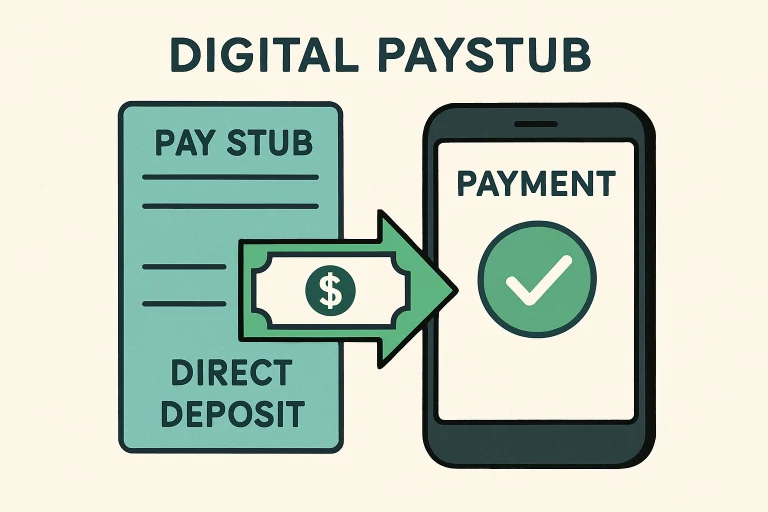
The Rise of Direct Deposit in Payroll Systems
Over the past few decades, direct deposit has fundamentally transformed payroll operations for businesses of all sizes and industries worldwide. No longer do employees rely solely on paper checks; they now enjoy the convenience and peace of mind of having wages automatically deposited into their bank accounts each payday. This seamless approach has streamlined payroll operations, eliminated delays associated with manual distribution of checks, and increased overall satisfaction among employees and payroll administrators alike.
By digitizing payroll, organizations not only minimize administrative workload but also greatly enhance the reliability and transparency of payments. Salaries are delivered on time with minimal manual intervention, reducing the risk of payment errors or missed pay cycles. This streamlined, paperless process is a fundamental example of the benefits of ACH payroll payments that are rapidly overtaking legacy payment systems. For both large enterprises and small businesses, adopting direct deposit means increased accuracy, fewer disputes, and a substantial boost to financial management practices.
Benefits of Direct Deposit for Employers and Employees
For employers, direct deposit offers a host of tangible benefits, including time savings, cost reductions, and improved payroll accuracy. It dramatically reduces the time needed to process payroll each pay period and reduces costs associated with the production and distribution of paper checks, including printing, postage, and the resources required to address errors or lost checks. This method also reduces payroll mistakes, as the entire process is handled electronically, making it easier to detect discrepancies before they become costly issues.
Employees, on the other hand, gain significant advantages from direct deposit. The most immediate benefit is instant access to earned wages without the need to visit a bank or wait for checks to be processed. Even for those who work remotely or travel regularly, funds are deposited into their accounts, ensuring they always receive their earnings on time, regardless of their physical location. These efficiencies foster a more satisfied and motivated workforce, as employees can trust in the reliability and security of their pay distributions. Additionally, financial institutions reiterate that dependable payment methods like direct deposit strengthen the bond between employer and employee and empower workers to better plan for their financial future.
Enhancing Security and Reducing Fraud
One of the most important advancements direct deposit has brought to the payroll world is a substantial increase in security throughout the wage distribution process. The elimination of physical checks significantly reduces the likelihood of check fraud, theft, or lost and damaged checks. This not only saves companies from potential financial losses but also gives employees confidence that their funds will be safe and accessible in their bank accounts.
All electronic funds transfers performed through direct deposit are typically encrypted and protected by multiple layers of security protocols. This robust structure safeguards sensitive payroll and personal information from unauthorized access. Payroll fraud remains a significant concern for businesses of any size, but direct deposit limits tampering and errors since payments are transmitted directly from the employer’s payroll system to the employee’s account. According to a CNBC article on bank account safety, companies that use electronic payments are far less likely to experience payment delays, disputes, or misappropriations, offering unparalleled peace of mind for payroll teams and employees alike.
Integration with Financial Technologies
Payroll systems have continually evolved to take advantage of technological advancements. Today, integration with modern financial technologies, such as mobile banking applications, digital wallets, and real-time pay platforms, is becoming standard across forward-thinking businesses. This convergence grants employees enhanced flexibility in how they receive, manage, and access their earned wages. In many organizations, employees can now split their deposits across different accounts, send funds directly to savings or investment accounts, and access payroll information via user-friendly apps.
The enhanced capabilities brought by digital integration encourage workers to take more control over their personal finances. For employers, leveraging payroll technology meets rising employee expectations for real-time services while streamlining internal processes and supporting productivity improvements for HR and payroll departments. The widespread adoption of these solutions also helps companies remain competitive in a swiftly shifting global economy, where agility and transparency have become more valuable than ever.
Regulatory Compliance and Direct Deposit
Implementing direct deposit on a wide scale requires strict adherence to federal, state, and local payroll regulations. Businesses must remain vigilant regarding privacy and security standards established by labor regulations and by banking privacy laws designed to protect employees. Regulatory compliance ensures that employee rights are protected and that organizations are shielded from potentially costly litigation or regulatory penalties resulting from non-compliance.
Regulatory bodies periodically update guidelines on payment timing, data confidentiality, payroll reporting, and the storage of financial records. This ongoing evolution means organizations must keep payroll staff and technology partners informed and up to date on the latest requirements, ensuring the direct deposit system remains fully compliant and secure at all times.
Challenges and Considerations in Implementing Direct Deposit
While the transition to direct deposit offers numerous benefits, the upgrade comes with some initial challenges. Setting up a direct deposit system often requires an upfront investment in new payroll software and related technology, as well as time to enroll employees and verify their banking information. Employers must be proactive and diligent in maintaining banking records regularly to avoid payment setbacks or delays.
Other implementation considerations include training payroll staff to use the new software effectively and educating employees on how to enroll, update account details, or make the most of the new financial features. Addressing employees’ questions and concerns promptly is essential to ensuring widespread adoption and long-term success. The ability of payroll teams to respond to workforce needs and adapt as technology evolves is crucial in keeping the system running smoothly.
The Future of Payroll: Trends and Innovations
Payroll technology is advancing rapidly, bringing new trends and innovations to organizations everywhere. Many businesses are now exploring the potential of automation tools, artificial intelligence, and data-driven analytics to further optimize workforce payments. One of the most promising innovations is real-time pay, a system that allows workers to access earned wages instantly after a shift concludes, rather than waiting for a fixed payday. This addresses growing employee expectations for financial flexibility and immediate access to funds.
At the same time, the adoption of cloud-based payroll systems makes it easier for companies to administer payroll from anywhere, supporting the growth of remote and global workforces. These tools enable HR leaders and payroll administrators to respond quickly to workforce changes, streamline compliance, and maintain high levels of service and security as business needs evolve.
Conclusion
Direct deposit remains a powerful force in modernizing payroll. Its capacity to improve efficiency, enhance security, and offer convenience means that businesses investing in direct deposit systems are poised to benefit from greater productivity and employee retention. By keeping pace with technological advancements, companies can streamline payroll processing and support more satisfied, empowered, and resilient teams, ultimately positioning themselves for the challenges and opportunities the future of work will bring.

Lexy Summer is a talented writer with a deep passion for the art of language and storytelling. With a background in editing and content creation, Lexy has honed her skills in crafting clear, engaging, and grammatically flawless writing.